How to Clean a Turkey Fryer Pot
To clean a turkey fryer pot, let the oil cool completely, drain and strain it for reuse or disposal, then soak the pot in hot soapy water and scrub the burnt spots with a non-abrasive pad. Rinse, dry every surface, and store the pot with the lid off so trapped moisture can escape.
On this page (9 sections)
- How long should you wait before cleaning a turkey fryer pot?
- How do you deal with the used oil first?
- What is the best way to loosen burnt-on residue?
- How do you scrub the pot, basket and lid?
- How do you get stubborn carbon off the bottom?
- Should you use a boil-out cleaner on a turkey fryer pot?
- How do you rinse and dry the pot so it doesn't rust?
- How do you keep the pot cleaner next time?
- What should you do after cleaning a turkey fryer pot?
To clean a turkey fryer pot, let the oil cool completely, drain and strain it, then soak the pot in hot soapy water and scrub the burnt spots with a non-abrasive pad. Rinse and dry every surface before the pot goes back on the shelf.
Learning how to clean a turkey fryer pot is mostly about order and patience. Hot oil is the real hazard, so the job starts with cooling, not scrubbing.
How long should you wait before cleaning a turkey fryer pot?
Wait at least 2 hours, and often longer, until the oil and metal are completely cool to the touch. A large pot of oil holds heat for a long time after the burner is off.
Don't move a full pot while it's warm. Set it on a stable, heat-safe surface away from kids and pets, then leave it alone.
Check the temperature with the back of your hand near the outside wall before you touch anything. If the pot still feels warm, give it more time.
Rushing this step is how burns happen. Once it's cool, you can handle the pot safely.
Plan the rest of the cleaning around a sink or a hose area where splashes won't matter. A wide pot takes up a lot of counter space, so clear room before you start lifting.
If the pot is too heavy to carry when full, drain the oil first and move the empty vessel afterward.
How do you deal with the used oil first?
Skim off food debris, then pour the cooled oil through a fine strainer into a sealable container. Straining takes out the crumbs and batter bits that speed up oil breakdown.
If you plan to fry again soon, clean oil can go back into the pot or a storage can. Our guide on how long does fryer oil last explains when to keep a batch and when to toss it.
Never pour oil down a sink or storm drain. It cools, solidifies, and clogs pipes.
Seal it in a jug for the trash or take it to a local grease recycling point.
Wipe the pot's interior with paper towels to lift the last film of oil before washing. That one step keeps the soapy water from turning into a greasy sludge.
The clamp-on lid snaps tight to keep stored oil fresh and hold in the smell, which matters if the can sits on the counter or in an RV between batches. The fine mesh insert catches bacon bits and batter flakes before they settle in the oil and burn on the next fry.
What is the best way to loosen burnt-on residue?
Fill the pot with hot water and a squirt of dish soap and let it soak for 20 to 30 minutes. Soaking softens carbon and cooked-on batter so you don't have to scrape hard.
For light residue, soaking alone usually does it. For a dark ring or a scorched bottom, add a boil-out cleaner to hot water and follow its directions.
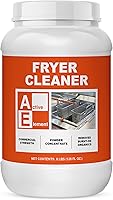
A concentrated powder like the Active Element formula is made to break down burnt organics on fryer surfaces. One container holds enough for 21 treatments at 6 fluid ounces each, so a full season of frying rarely uses it up.
The formula blends emulsifiers, builders, chelating agents and surfactants to lift grease and carbon from the metal.
Let the solution sit as long as the label allows, then pour it out and wash as normal. Ventilate the area while you work, and keep the powder away from your eyes and skin.
It is meant for commercial and professional kitchens, so read the label and the safety data sheet before the first use. Avoid steel wool on nonstick or coated pots.
A stiff brush or non-abrasive pad is safer for the finish.
How do you scrub the pot, basket and lid?
Wash the inside with hot soapy water and a soft brush or sponge, then do the basket and lid the same way. Warm water and a little soap cut grease better than cold water alone.
The basket traps batter and crumbs in its mesh, so scrub both sides. The lid, handles and thermometer probe each need a wash too, since oil collects in the seams and threads.
For stuck spots, reach for the right tool. A long-handled brush set reaches the bottom of a deep pot without dunking your arm in suds.
Our guide to how to clean a deep fryer covers baskets, lids and the rest of the appliance in more detail.
The brass bristles break up hardened oil and the rod fits into drain areas. Keep the pressure light on coated surfaces.
What do the three cleaning tools each do?
The set splits the work by shape. The L-shaped brush is about 26.8 inches long and its angled head cleans narrow gaps and the hard-to-reach curve where the pot wall meets the base.
The basket brush is about 22.4 inches long with a triangular brass bristle head that gets into mesh and corners. The cleanout rod runs about 24.4 inches and slips between tubes and into drain areas to pull out sediment and oil residue.
All three have long handles, so your hands stay clear of hot metal and greasy water. The metal and brass build holds up to high heat, so the tools themselves tolerate a warm basket, but that is no reason to skip the cooldown: wait until the oil and metal are completely cool before you touch the pot, the basket or the oil, and use long heat-resistant tools for anything you handle before then.
Wash them like any other kitchen tool and let them dry before they go back in the drawer.
How do you get stubborn carbon off the bottom?
Soak longer and use a brass-bristle brush or plastic scraper instead of metal pads. Carbon that has baked on through several fries needs time, not force.
Make a paste of baking soda and water for small spots, or run a second soak with a boil-out product. Leave it on the burnt area, then scrub gently.
A brass head works well here because it is hard enough to break up hardened oil without gouging the base the way a steel pad can.
For the very worst buildup, warm a little water in the pot on low heat to soften the carbon, then scrape with a plastic tool. Don't use a knife, which can gouge the base.
Keep the heat gentle and watch the pot the whole time, since a dry pot on a live burner can scorch. Rinse thoroughly afterward, because leftover cleaner or soda can leave a chalky film that affects the next batch of oil.
Should you use a boil-out cleaner on a turkey fryer pot?
Yes, when the pot has heavy carbon or a lingering old-oil smell. A boil-out cleaner is designed to lift burnt-on organics that dish soap can't touch.
Mix it per the label, bring the water to a gentle simmer if the directions allow, and let it work. The Active Element powder is concentrated for commercial-style cleaning and covers multiple treatments per container.
Because it targets carbon deposits as well as grease, it also helps keep the fryer working well and cuts down on the scrubbing you would otherwise do by hand.
Rinse the pot well and dry it completely afterward. A cleaner that stays on the surface can taste bitter in the next fry.
For a lighter routine, soap and hot water handle most weekly cleaning. Save the boil-out for the deep clean you do every few uses or at the end of the season, when the carbon layer has had time to build.
How do you rinse and dry the pot so it doesn't rust?
Rinse with clean hot water and dry every surface with a towel, then let it air-dry fully before storage. Aluminum and carbon steel pots rust quickly when moisture sits in the seams.
Dry the rim, the handles, the inside base and the basket mesh. Set the pot upside down on a rack for a few hours so water drains out of the corners.
Pay attention to the thermometer probe and the basket hook, since both hold a little water in their fittings. Store with the lid off or ajar.
Trapping damp air under a closed lid is the easiest way to start rust spots or a musty smell between seasons. A dry, ventilated spot beats a damp garage corner every time.
How do you keep the pot cleaner next time?
Once the pot has cooled completely, wipe it out and empty it soon after each fry. Fresh oil residue lifts with a paper towel; baked-on carbon needs a soak.
Reuse strained oil only a few times, and keep the pot covered between uses. A clean pot with a light coat of oil on bare metal stores well through the off-season.
If your current setup is hard to clean, compare fryers that are easy to clean. For outdoor batches, our picks for propane fish fryers cover wing pots and turkey rigs too.
Keeping the cleaning tools within reach of the fryer also helps, since a brush you can grab in seconds gets used more often than one buried in a drawer.
What should you do after cleaning a turkey fryer pot?
Once the pot is cool, drained, washed and fully dry, the job is done. The safe order is cool the oil, strain and store it, soak the pot, scrub gently, rinse and dry.
That routine keeps a turkey fryer pot ready for the next holiday bird. Skip the shortcuts that cause damage: never pour oil down a drain, never scrape carbon with a knife, and never store the pot with the lid sealed while damp.
A little patience at the sink protects the pot for years. For more fryer upkeep, read our related guides on how to clean a deep fryer and how long fryer oil lasts.
If cleaning is the deciding factor in your next buy, our easy-clean fryer picks are the place to start.
Frequently asked questions
Can I clean a turkey fryer pot in the dishwasher?
Usually not. Most outdoor turkey fryer pots are large aluminum or enameled vessels that won't fit a home dishwasher, and harsh detergent can dull aluminum.
Wash by hand in hot soapy water and dry right away.
How do I get burnt oil off the bottom of a fryer pot?
Soak the pot in hot water with a little dish soap for 20 to 30 minutes, then scrape with a plastic or brass-bristle tool. For heavy carbon, a boil-out cleaner mixed per its directions loosens the residue so light scrubbing finishes the job.
Can I pour used turkey fryer oil down the drain?
No. Cooking oil hardens in pipes and causes clogs.
Let it cool, strain out food bits, and pour it into a sealable container for the trash or a local recycling drop-off.
How often should I deep clean a turkey fryer pot?
After every fry is best for the inside, with a deeper soak whenever you see dark carbon or smell old oil. A full boil-out cleaning every few uses keeps the pot from building up residue that flavors the next batch.
What should I do with the pot before storing it for the season?
Wash and dry it fully, including the lid, basket and thermometer probe. Store it upside down or with the lid ajar in a dry spot so air moves through and rust or mildew can't start.