How to Use Beef Tallow in a Deep Fryer
To use beef tallow in a deep fryer, melt it in a pot first, then pour the liquid fat into the fryer and heat it to 350–375°F. Fry in small batches, let the tallow cool, and strain it through a fine mesh so you can reuse it.
On this page (10 sections)
- Can you use beef tallow in a deep fryer?
- How do you melt tallow before it goes in the fryer?
- What temperature should you fry in beef tallow?
- Why does tallow foam or bubble in the fryer?
- How much food can you fry at once in tallow?
- How do you keep the fryer and tallow clean?
- How do you store and reuse tallow?
- Can you use a deep fryer outside with tallow?
- Which fryer makes tallow frying easy?
- What should you watch for when frying in tallow?
To use beef tallow in a deep fryer, melt it in a pot first, then pour the liquid fat in and heat it to 350–375°F. Fry in small batches, cool and strain the tallow, then wipe the fryer clean before its next use.
Beef tallow is solid at room temperature, so it doesn't behave like the liquid vegetable oil a fryer expects. The steps below cover melting, the right temperature, batch sizes, reuse and cleanup, so the switch goes smoothly.
Can you use beef tallow in a deep fryer?
Yes. Beef tallow works in a deep fryer, and it's one of the classic fats for fried chicken, potatoes and doughnuts, because it holds a high, steady heat.
The catch is its solid form at room temperature. A thermostat fryer measures the fat around its element, so pour liquid tallow, not hard chunks, or the heat will spike near the element before the fat melts.
Check your fryer's manual before you switch, since not every electric model is built for solid fats.
If you're new to the appliance, our guide on how to use a deep fryer covers the basics first.
How do you melt tallow before it goes in the fryer?
Melt the tallow slowly on the stove in a pot, then pour it through a funnel or spout straight into the fryer's oil well or basket area.
- Chop or grate the tallow so it melts evenly.
- Warm it over low heat, stirring, until no lumps remain.
- Let it settle, then skim any foam or scum off the top.
Skip the microwave for large amounts, since uneven melting can leave hot spots. If you buy rendered tallow in a jar, a warm water bath loosens it enough to pour.
Melt only as much as your fryer holds. A tallow container like the Oggi grease can comes up again below for storing what you don't use.
What temperature should you fry in beef tallow?
Set the fryer to 350°F for most foods, and 365–375°F for crisp, thin items like shoestring fries. Tallow smokes at a high temperature, but food browns faster in it than in vegetable oil.
Start lower on the first batch and watch the color. If pieces darken before they cook through, drop the setting 10°F.
If they come out pale and greasy, raise it.
Use a clip-on thermometer if your fryer's dial runs cool. Tallow is expensive enough that a misjudged batch hurts, and a steady temperature is what makes it worth the swap.
Why does tallow foam or bubble in the fryer?
Foaming means moisture. Tallow spits and bubbles when water is still in the fat, or when wet food, ice crystals or runny batter hit the hot oil.
Melt tallow slowly and let it sit so trapped water can escape before you raise the heat. Pat meat dry, drain potatoes after cutting, and thaw frozen items in the fridge, then blot them.
If tallow keeps foaming after it reaches temperature, the fat may be old or partly unrendered. Remove the fryer from the heat source and let it cool before you investigate.
How much food can you fry at once in tallow?
Fill the basket about one-third full. Tallow drops in temperature when cold food goes in, and a crowded basket can't recover, so pieces soak up fat instead of crisping.
Fry in batches two or three pieces deep, not stacked. Wait for the temperature to climb back after each batch before adding more.
Tallow is dense, so a large batch also makes the oil level rise. Stay under the fryer's maximum fill line, and check the basket doesn't overflow when you lower it.
How do you keep the fryer and tallow clean?
Skim crumbs out with a spider or strainer between batches, then clean the fryer after the tallow has cooled but before it firms up.
Tallow sets hard as it cools, so wipe the fryer's interior while it's still warm and liquid, if the manual allows, or wait until the fat is fully solid and lift it out. Wipe a grease container with a damp cloth.
The Nuenen set has a long-handled L-shaped brush and a rod for reaching the fryer's bottom, with brass bristles rated to 750°F, so you can scrub while the fat is still fluid. The L-shaped brush runs about 26.8 inches long, the cleanout rod about 24.4 inches and the basket brush about 22.4 inches, so your hands stay well clear of the hot fat.
The rod is designed to slip between the fryer's tubes and clear sediment or oil residue, which is the spot tallow crumbs collect after a long frying session. The angled brass heads also fit narrow gaps and the basket's corners.
Full steps for the pot, basket and lid are in our guide on how to clean a deep fryer. Always unplug the fryer before you touch the fat or the element.
How do you store and reuse tallow?
Let the tallow cool, strain it through a fine mesh, seal it, and keep it in the fridge. Strained tallow keeps for months there and firms into a solid block.
The Oggi can holds a gallon, with a fine mesh insert that catches crumbs as you pour, and a clamp lid that keeps the fat fresh. Its rectangular shape is wide enough to pour straight from a pan or a fryer drain, and the snug lid keeps the fat safe in an RV or on a fridge shelf.
Reuse tallow 3–4 times for savory frying. Each batch carries flavor forward, so don't follow a fish batch with doughnuts.
Discard it once it darkens badly or smells rancid.
Can you put hot tallow straight into the storage can?
Let the tallow cool slightly first, until it is warm but no longer spitting, then pour it through the strainer. Very hot fat is hard on the mesh and on your hands, and a little settling time lets the crumbs drop before the fat passes through.
Can you use a deep fryer outside with tallow?
Only if the fryer is rated for outdoor use and you're on a stable, level surface. Tallow splatters hot fat the same as any oil, so keep the fryer away from children, pets and flammable decks.
Our guide on whether you can use a deep fryer outside covers cords, covers and windy-day cooking. Tallow's high heat makes outdoor frying attractive, but ventilation alone doesn't make an indoor unit safe for the patio.
Which fryer makes tallow frying easy?
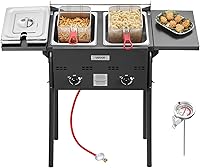
A fryer with an adjustable thermostat and a drain spout handles liquid fats best, since you can set the temperature and empty the fat without lifting a full, heavy pot.
The De'Longhi Livenza has a 1-gallon oil capacity, a thermostat, a Cool Zone that keeps crumbs from burning, and a front drain that empties oil into a container. The Cool Zone is the part that matters most with tallow.
It keeps the area under the element cooler so stray crumbs settle there instead of scorching, which keeps the fat cleaner and cuts odor between batches.
Drain the tallow while it's warm and pourable, into the Oggi can or another heat-safe container. Then wipe the fryer, replace the parts, and it's ready for the next batch.
The stainless body and dishwasher-safe parts make the wipe-down quick once the fat is out.
What should you watch for when frying in tallow?
For anyone learning how to use beef tallow in deep fryer cooking, the hazards are heat and moisture, not the fat itself. Hot tallow burns like any frying oil, and a splash of water sends it spitting.
Keep a lid or splatter screen handy, never leave the fryer alone, and let the fat cool completely before you move it. Blocked drains and crusted elements are the two common fryer faults after tallow batches.
If the fryer's element is hard to reach, the Nuenen rod reaches between the tubes to clear residue. And if the fat level or drain worries you, our oil-volume guide explains how much oil does a deep fryer use before you melt another jar.
Frequently asked questions
Can you put solid beef tallow straight into a deep fryer?
No. Solid tallow can scorch on the heating element before it melts evenly.
Melt it in a pot on the stove, then pour the liquid fat into the fryer so it heats as one body of oil.
What temperature should tallow be for deep frying?
Set the fryer to 350–375°F. Tallow has a high smoke point, but breaded and starchy foods brown fast above 375°F, so start at 350°F and adjust after the first batch.
Why did my tallow foam up in the fryer?
Foaming means water is still in the fat or the food. Tallow with trapped moisture bubbles as it heats.
Melt it slowly, keep wet batter out of the basket, and let frozen foods thaw and drain first.
Can I reuse beef tallow after frying?
Yes. Let it cool slightly, strain out crumbs through a fine mesh, and store it sealed in the fridge.
Reuse it 3–4 times for savory foods, then start fresh, since tallow picks up flavors from each batch.