How to Dispose of Used Fryer Oil at Home
To dispose of fryer oil, cool it completely, seal it in a sturdy container, and follow your local waste service’s instructions. Use a cooking-oil collection program if one accepts household oil; never pour it down a drain or onto the ground.
On this page (6 sections)
To dispose of fryer oil, cool it completely, seal it in a sturdy container, and follow your local waste service’s instructions. For the keyword question “how to dispose of fryer oil,” the safe routine is simple: keep the oil out of drains, soil, and waterways, and use local collection or permitted household trash.
For small household amounts, a cooking-oil collection program may be available. If not, some waste services allow cooled oil in a sealed container in household trash, but rules vary by location and quantity.
How do you dispose of fryer oil at home?
Cool the oil, contain it, then use an approved local disposal route. Check local collection and trash guidance before moving the oil, especially if the fryer holds several quarts.
- Turn off and unplug the fryer as directed in its manual.
- Let the oil cool completely in the fryer, away from children and pets.
- Check whether your city, county, or waste service accepts household cooking oil.
- If it has no collection option, follow its instructions for sealed oil in household trash.
- Once the oil is out, clean the fryer according to its manual.
Don't pour oil into a sink, toilet, storm drain, or yard. The [U.S.
Environmental Protection Agency’s guidance on fats, oils, and grease](https://www.epa.gov/septic/how-care-your-septic-system) explains why grease should stay out of drains.
Your local waste authority can tell you which disposal methods it accepts.
Can fryer oil go in the trash?
Use household trash only if your local waste service allows it and the oil is sealed against leaks. Some services accept small amounts of cooled cooking oil, while others direct residents to a collection site.
Choose a container that can hold the full amount, has a secure lid, and won't leak or break during handling. Some areas allow oil in its original bottle; others recommend a different sealed container, so check before filling one.
Don't put loose oil into a trash bag. It can spill in your bin or during collection, leaving a mess that is difficult to clean.
What container works for disposing of fryer oil?
A sturdy, sealable container gives cooled oil a place to wait until collection or disposal. Pick one based on how much oil you need to hold, whether the lid closes securely, and where you can store it safely.
The Oggi grease container holds 4 quarts and has a removable strainer and clamp-on lid. Its larger capacity suits households that fry in bigger batches or want one dedicated container for cooled cooking grease.
The Chihee container has a removable fine-mesh strainer, lid, and drip tray. Its maximum capacity is 2 liters, while its recommended working capacity is 1.6 liters with the strainer in place.
Choose the Oggi if you need more capacity and a counter-friendly grease can. Choose the Chihee if a smaller container and drip tray fit your kitchen better.
Skip either if you only discard oil occasionally and already have a suitable leak-resistant container.
Set the container on a stable surface before transferring cooled oil, and don't fill beyond its usable capacity. Let the container cool and check the lid is secure before moving or storing it.
Can fryer oil be collected or recycled instead?
Check for a local cooking-oil collection program before throwing oil away. Some communities and businesses collect used cooking oil, but accepted amounts, containers, and drop-off rules vary.
Look at your city, county, or waste service website, or call and ask whether it accepts household cooking oil. Confirm how to contain it, whether you need to separate out food debris, and whether the site accepts small quantities.
Keep the oil sealed during transport and follow the collection site's instructions. Don't leave it beside a collection point unless the service specifically allows that.
If you are considering keeping the oil for another meal, check the fryer manual and use your judgment about whether it is still suitable. Our guide to how long fryer oil lasts explains common signs that oil may need replacing.
Do you need to filter oil before disposing of it?
No, filtering isn't necessary if you're discarding the oil. Straining is useful when you plan to store oil for possible reuse because it removes food particles, but it doesn't make old oil suitable to reuse or change local disposal rules.
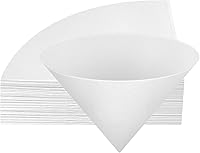
The NACHLYNN set contains 50 non-woven 10-inch filter cones. It suits occasional filtering when you want disposable cones on hand; skip it if you are only throwing oil away or prefer a reusable strainer.
The AYUSEB is a reusable 10-inch cone filter bag with a frame. It suits repeat filtering and can be rinsed with hot water after use; skip it if you don't plan to strain oil before storage.
Only filter oil after it has cooled enough to handle safely. Attach the reusable bag to its frame and set it over a stable pot before pouring.
Keep the receiving vessel steady, and don't press or lift a filter in a way that puts your hands near warm oil.
How should you handle oil from a fryer?
Follow the fryer manual for draining and cleaning, and don't move hot oil. Fryers differ: some have a drain feature or removable oil container, while others require another cleanup method.
Let the fryer sit on a stable surface while the oil cools fully. Use the manual's steps to drain or transfer it, and avoid improvised containers that could tip or soften.
If you're new to using the appliance, read how to use a deep fryer before draining it. Once the oil is removed, how to clean a deep fryer covers cleaning the fryer, basket, and lid.
What mistakes should you avoid when disposing of fryer oil?
Keep oil out of plumbing, storm drains, soil, and waterways. Hot water, dish soap, and a garbage disposal don't make pouring oil down a drain a safe disposal method.
Don't transfer oil while it is hot, leave an open container where someone could spill it, or use a container with a loose lid. Wait until it has cooled completely, then check that the container is sealed before storing or carrying it.
For a large amount, ask your waste service about an approved drop-off instead of guessing. Follow the fryer manual when removing oil, and review our deep fryer safety tips for other safe handling reminders.
Which fryer oil disposal method should you choose?
Use a local cooking-oil collection program if it accepts household oil; otherwise, follow your waste service’s rules for sealed household trash. The right choice depends on local guidance, the amount of oil, and whether you have a suitable container.
For larger amounts or regular frying, a dedicated grease container can hold cooled oil while you arrange disposal. Pick the Oggi for its 4-quart capacity, or the Chihee for its smaller size and drip tray.
Filter cones and reusable filter bags are for oil you plan to strain before storage. They aren't needed to dispose of fryer oil.
When deciding how to dispose of fryer oil, cool it, seal it, and check the local rules before putting it in trash or taking it to collection.
Frequently asked questions
Can you pour fryer oil down the drain?
No. Oil can coat plumbing and contribute to clogs, even if you add hot water or soap.
Let it cool, seal it in a container, and use a local cooking-oil collection option if available.
If collection isn't available, check your waste service's rules for sealed oil in household trash.
Can used fryer oil go in the trash?
It may be allowed if the oil is completely cooled and sealed in a leak-resistant container, but local rules differ. Check your waste service first, especially for larger amounts.
Never place loose liquid oil in a trash bag where it can spill.
Should you strain fryer oil before throwing it away?
Straining is useful when you plan to store oil for possible reuse, but it isn't required just to discard it. Let the oil cool fully before handling it.
If you're throwing it away, seal it and follow local collection or trash instructions.
Can used fryer oil be poured outside?
No. Don't pour cooking oil onto soil, into a storm drain, or into a waterway.
Keep it contained and check whether your area has a household waste or cooking-oil drop-off program.
Ask the local waste service about accepted containers and amounts before taking oil to a collection site.