What Kind of Oil Should You Use in a Deep Fryer?
Use a neutral oil with a high smoke point: canola or peanut oil suits most home deep fryers, vegetable and sunflower oil are good budget picks, and avocado oil works for very high heat. Save olive oil and sesame oil for flavor, not full-time frying.
On this page (8 sections)
- What makes an oil good for deep frying?
- Canola oil: the everyday all-rounder for most home fryers
- Peanut oil: the flavor pick for fried chicken and Asian dishes
- Vegetable and sunflower oil: budget picks for light frying
- Avocado oil: the high-heat pick for very hot frying
- Which oil should you avoid in a deep fryer?
- How do you store and reuse frying oil?
- Which oil fits your frying routine?
The kind of oil you should use in a deep fryer is a neutral oil with a high smoke point. Canola and peanut oil suit most home fryers, vegetable and sunflower oil keep the cost down, and avocado oil handles very high heat.
Flavor, price and how often you fry all matter, so no single oil wins for every kitchen. The sections below match oils to the foods and frying habits you actually have.
What makes an oil good for deep frying?
A good frying oil has a high smoke point, a neutral taste and good stability at heat. Smoke point is the temperature where oil starts to break down and give off acrid smoke.
Frying usually runs between 325°F and 375°F, so you want an oil rated well above that. Stability matters too, because some oils hold up to repeated heating without turning dark or developing off-flavors.
Flavor is the third piece. A neutral oil lets the food taste like the food, while a strong oil like toasted sesame or extra-virgin olive coats every batch in its own character.
Cost per fryer load rounds out the picture. A bottle that costs more per ounce may still be the better buy if you can strain and reuse it several times.
Pick an oil whose smoke point clears your frying temperature by at least 50°F, with a flavor that matches the food. That rule alone eliminates most bad choices.
Which oils have the highest smoke points?
Refined avocado, peanut, canola and sunflower oils sit at the top of the everyday list. Refined oils are processed to remove impurities, which pushes their smoke point up and their flavor down.
Avocado oil is the highest of the common options and stays stable under repeated heat. Peanut oil follows closely and adds a light nutty note, while canola and sunflower are close behind and cost less.
Unrefined oils, cold-pressed versions and extra-virgin olive oil smoke at much lower temperatures. They are better as finishing oils than as a fryer fill.
The Oggi grease container holds up to 1 gal (4 qt), so a full fryer batch fits in one pour. Its strainer insert catches food particles so the oil stays cleaner between sessions, and a clamp-on lid seals the can.
Keep a separate oil for each flavor profile and label the cans. Reusing peanut oil for fish then doughnuts carries the fish flavor into dessert.
Does smoke point matter more than flavor?
Smoke point matters more for frying, because an oil that breaks down spoils the food and the batch. Flavor only comes into play when you choose between oils that already clear your frying temperature.
A peanut oil and a canola oil both fry cleanly at 350°F. The difference is the slight nut flavor peanut oil adds and the cost per bottle.
Flavor becomes the deciding factor once you are inside the safe range. Peanut oil suits chicken, fries and Asian dishes where a light nut note works, while canola is the better base for doughnuts, fish and anything where you want a clean taste.
Choose smoke point first, then flavor, then price. That order keeps every batch crisp and safe.
Canola oil: the everyday all-rounder for most home fryers
Canola oil is the best all-round pick for most home deep fryers. It has a high smoke point, a neutral flavor and a low cost per bottle, which makes it hard to beat for regular frying.
It handles the 350°F to 375°F range comfortably. The taste stays out of the way, so french fries taste like potatoes and chicken tastes like chicken.
Canola is also easy to find. Grocery stores, warehouse clubs and big-box retailers all stock it in large bottles, which matters when you need to fill a 4-cup fryer or top up a larger vat.
Its neutral character is both the strength and the limit. If you want peanut flavor in your fried chicken, canola will not give it to you.
The Presto FryDaddy holds 4 cups of oil and makes four servings of fries from a 4:4 oil-to-food ratio. It maintains the frying temperature automatically with no controls to set.
The ceramic nonstick surface inside and out is PFAS-free and easy to clean. A snap-on lid stores the oil for reuse without spills or odors.
Pick canola for the default oil in your kitchen. Buy it in the largest bottle your storage allows and keep a spare.
Which foods suit canola oil?
Canola suits nearly every fried food, especially the ones where you want a clean taste. French fries, onion rings, fish, chicken strips and doughnuts all fry well in it.
Its neutral flavor is a real advantage when you fry several different foods in one session. Fish then fries then chicken strips all taste as they should, where a strong oil would carry the fish into the dessert.
If you want to branch out from basic fries, our how to use a deep fryer guide covers temperatures and batch sizes for common foods.
Peanut oil: the flavor pick for fried chicken and Asian dishes
Peanut oil is the best choice when you want a light nut flavor and high heat stability. It smokes at a high temperature and holds up to repeated frying better than most neutral oils.
Fried chicken and Asian dishes get a subtle lift from it. The flavor is mild, not overpowering, and most people notice a faint nuttiness in the crust rather than a strong peanut taste.
Peanut oil costs more than canola or vegetable oil per bottle. If you fry often and reuse the oil several times, the price gap narrows per batch.
Allergy concerns are the obvious caveat. A household with a peanut allergy should skip it and use canola or sunflower instead.
Is peanut oil worth the higher price?
Peanut oil earns its price for flavor-driven frying, not for basic fries. The stability and the light nut note justify the extra cost when the food benefits from them.
Peanut oil holds its quality through more heating cycles than most oils. That means you can fry several batches from one fill if you strain and store it properly.
For plain fries or fish where a clean taste is the goal, a cheaper neutral oil does the same job. Save peanut oil for chicken, egg rolls, tempura and dishes where the nut note fits.
Pick peanut oil when flavor matters and there is no allergy in the house. Pick canola when it does not.
Our how long does fryer oil last guide explains when to strain a batch and when to throw it out.
Vegetable and sunflower oil: budget picks for light frying
Vegetable and sunflower oil are the best budget picks for home frying. Both are neutral, widely available and cost less than peanut or avocado oil.
Vegetable oil is usually a blend of soybean, canola, corn or sunflower oil. The exact mix varies by brand, but the character stays neutral and the smoke point stays high enough for frying.
Sunflower oil is a single-oil option with a similarly clean taste. These oils suit households that fry occasionally and do not want to spend much on a bottle, and the lower cost makes them easier to replace when a batch goes dark.
Their stability is a step below peanut and avocado oil. Reuse is fine for a few sessions, but strain carefully and expect to replace the oil sooner.
Which is better for fish and chips, vegetable or sunflower oil?
Both work for fish and chips, and sunflower oil gives the cleaner taste. Vegetable oil's blend can include corn or soybean, which adds a very faint flavor, while sunflower oil stays neutral and light.
Neither oil should be pushed past 375°F. Fish and chips fry around 350°F to 365°F, well inside their range, and a light batter and a steady temperature matter more than the oil brand.
Pick sunflower for fish and light batters; pick vegetable oil when cost leads. If you plan to fry outside to avoid kitchen smells, see our can you use a deep fryer outside guide first.
Avocado oil: the high-heat pick for very hot frying
Avocado oil is the best pick for very high heat and long reuse. It has the highest smoke point of the common oils and stays stable at temperatures that push other oils toward breakdown.
The downside is price. Avocado oil costs the most per bottle of the oils here, often several times a budget vegetable oil.
That cost only pays off if you fry hot and often, or if you strain and reuse the batch many times. For most home fryers running at 350°F to 375°F, canola or peanut oil does the same work for less.
Avocado oil makes sense for very hot frying, such as crispy chicken or anything you want cooked fast at high heat. Its neutral flavor means it does not change the food's taste.
When does avocado oil pay off?
Avocado oil pays off when high heat and repeated reuse are both part of your routine. The higher cost is spread across many batches when you strain and store the oil properly.
A large vat fryer running at high temperatures benefits most. A small countertop fryer running at 350°F gets little extra benefit for the price.
If you fry outside or in a garage, the oil's stability matters more because temperature swings are larger. Our how much oil does a deep fryer use guide helps you size the fill for your fryer.
Pick avocado oil when you push high heat; otherwise a cheaper neutral oil covers it.
Which oil should you avoid in a deep fryer?
Skip extra-virgin olive oil, unrefined nut oils and toasted sesame oil for everyday frying. These oils have low smoke points and strong flavors that carry into the food.
Extra-virgin olive oil is the most common mistake. People assume "olive oil" is healthy and use it for everything, but the extra-virgin grade smokes well below typical frying temperatures.
Refined or light olive oil handles heat better and is fine for frying. Unrefined or cold-pressed oils are in the same boat, because the very processing that keeps their flavor intact makes them less stable under heat.
Toasted sesame oil is a finishing oil, best used as a few drops at the end of a stir-fry.
What about lard and beef tallow?
Lard and beef tallow fry well and have high smoke points, but they carry strong flavor and require more cleanup. Some home cooks swear by them for fries and chicken.
Lard gives fries a rich, old-fashioned flavor. Beef tallow does the same and stays stable at high heat.
Both are solid fats at room temperature, which makes storage and disposal different from liquid oils. The flavor transfers to everything cooked in the same batch, so a doughnut fried in tallow after chicken will taste like chicken.
Cleanup takes more work because solid fats set as they cool. You need to warm and strain them before storing, and a strainer can and a filter bag help with this.
Pick a liquid neutral oil for convenience, or a solid fat for flavor and tradition. Either way, strain and store it properly.
How do you store and reuse frying oil?
Strain the oil after each session, store it sealed and cool, and replace it when it turns dark or smells stale. Proper storage stretches one batch into several frying sessions.
Let the oil cool completely before handling it. Hot oil is a burn hazard and can damage plastic containers.
Once it is cool, pour it through a fine mesh strainer into a sealable container. The strainer catches food particles that would otherwise break down and darken the oil, and a reusable filter bag does the same job.
Store the sealed container in a cool, dark spot away from heat and sunlight. Heat and light speed up the breakdown that turns oil rancid.
Label the container with the oil type and the date you first used it, so you can track when the batch has had enough sessions.
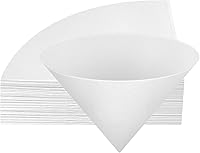
The AYUSEB filter bag has a 10-inch cone shape and a fine mesh rated at 0.5 mm openings. Folding arms attach to deep fryers or rest over a pot, and the handle keeps your hands away from the heat.
The bag rinses with hot water and is reusable up to 1,500 times.
Replace the oil when it looks dark, smells stale or foams during heating. Those are the signs the oil has broken down past the point of good frying.
How many times can you reuse frying oil?
Most home frying oil is good for three to five reuse sessions when you strain it after each one. The exact number depends on the oil type and what you fried.
Peanut and avocado oil tend to hold up longer than budget vegetable oil. Foods with heavy batter or lots of loose crumbs shorten the oil's life because more particles get left behind.
Temperature matters too. Oil fried at 375°F breaks down faster than oil held at 350°F.
When in doubt, judge by appearance and smell. Dark color, a stale odor or foam during heating all mean the oil is done, and a cloudy batch after straining also suggests it is time to replace it.
Use a batch until the signs say stop, not by counting sessions alone. A dedicated fish fryer may need fresh oil sooner than a fryer used for plain fries.
Which oil fits your frying routine?
Pick canola for everyday frying, peanut for flavor, sunflower or vegetable for budget batches, and avocado for high heat. That covers most home fryer use without spending more than you need.
A household that fries once a month does fine with a budget neutral oil. Someone frying chicken and tempura weekly gets more from peanut oil, and high-heat cooks who want maximum stability reach for avocado oil.
For the oil that fits your fryer size, our guide to how much oil a deep fryer uses helps you fill it correctly. And if you plan to fry outside to keep smells out of the kitchen, read about using a deep fryer outside first.
Whatever oil you choose for your deep fryer, strain it, seal it and store it cool. A clean batch fries better and lasts longer.
Frequently asked questions
What oil do restaurants use in deep fryers?
Many restaurants fry with canola, soybean or a blended vegetable oil because the neutral flavor and high smoke point suit high-volume frying. Peanut oil is also common where allergies are not a concern.
Can I mix two kinds of oil in a deep fryer?
Yes, you can blend oils as long as both have similar smoke points and neutral flavor. Mixing peanut and canola, for example, gives you peanut flavor at a lower cost.
Does oil type affect how crispy fried food gets?
Oil type matters less than temperature and batter. A neutral oil at the right heat gives crisp results, while a low-smoke-point oil that starts breaking down leaves food greasy.